Gemlik Olive: Wholesale B2B Guide
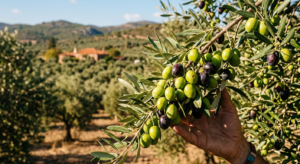
Gemlik olive holds a distinct position in the global table olive trade. Indeed, it is one of Turkey’s most valuable agricultural products. Grown exclusively in the Gemlik, Mudanya, Orhangazi, İznik, and Nilüfer districts of Bursa province, this olive stands out with unique quality characteristics. Consequently, buyers considering wholesale olive sourcing for the European market must understand what sets Gemlik olive apart from competitors.
This guide covers the physical characteristics, curing methods, export conditions, and competitive advantages of Gemlik olive for B2B buyers.
1. Geographic Origin and EU Registration
Gemlik olive received official EU Geographical Indication registration on 16 June 2023. Therefore, it became the first Turkish olive to earn this designation. As a result, it can now be marketed under a protected designation of origin in EU markets. This registration is highly significant for B2B buyers. Indeed, the same assurance carried by EU Organic or PDO-certified products now applies to Gemlik olive as well.
The geographical indication is owned by the Gemlik Chamber of Commerce. Accordingly, every Gemlik olive sold under this designation must carry a hologram, logo, and QR-coded label. Furthermore, this traceability system protects both the producer and the buyer. In other words, it provides verified origin assurance at every stage of the supply chain.
When requesting a Certificate of Origin and a CoA for wholesale purchases, documentation is completed quickly. This is possible because of Gemlik’s robust traceability infrastructure. Moreover, having these documents ready in advance speeds up customs clearance significantly.
2. Physical Characteristics of Gemlik Olive
Gemlik olive is the standard that B2B buyers return to when they cannot find the quality they need. Moreover, its technical specifications stand out clearly when compared with competing varieties. In short, no other Turkish olive variety combines these characteristics at this level.
In terms of size and structure, Gemlik olive is medium-sized and nearly round, with a glossy black skin. The flesh-to-pit ratio ranges from 6:1 to 7:1. In addition, approximately 200–410 olives fit per kilogram. This ratio directly affects yield in table consumption. Therefore, it is one of the most critical quality indicators for wholesale buyers.
Regarding skin and flesh, the most distinctive feature is that the flesh separates easily from the pit. This characteristic provides a significant productivity advantage in food processing. For example, it is especially useful for pitted olive production, pizza toppings, and ready-meal manufacturing. Furthermore, the thin skin and abundant flesh reduce waste during processing.
As for color and harvest, the natural color of Gemlik olive is deep black. Olives that have not fully turned black are not collected at harvest. Instead, they are hand-picked only after full ripening. Furthermore, they undergo no chemical processing whatsoever.
Finally, the oil content exceeds 20%. As a result, Gemlik olive is a versatile raw material suitable for both table consumption and oil production.
3. Growing Conditions
The Marmara Sea region climate is considered ideal for olive cultivation. Specifically, hot summers and cold winters create perfect growing conditions. Moreover, all Gemlik olives are hand-harvested between November and February, which ensures consistent quality.
A single Gemlik olive tree can produce up to forty kilograms in a productive year. However, olive trees naturally alternate between high and low yield years. This “alternate bearing” characteristic is therefore important for supply planning. Consequently, long-term contracts with reliable exporters reduce this risk significantly.
Furthermore, olive trees can live up to 500 years. As a result, the Gemlik region has many trees over 100 years old. The aroma and mineral complexity of olives from century-old trees cannot be compared to younger plantations. In other words, age directly translates into superior flavor.
4. Gemlik Olive Curing Methods: A Selection Guide for B2B Buyers
Gemlik olive can be processed using different curing methods. The method you choose depends on your target market, intended use, and price expectations. In short, each method produces a distinct flavor and texture profile. Therefore, understanding each option is essential before placing a wholesale order.
The first method is dry-curing. In this method, olives are dried with rock salt in a sack, basket, or jar. All moisture is consequently drawn out during the process. The longer they remain in salt, the firmer they become. Furthermore, olives can lose up to half their original weight during curing. On the other hand, dry-stored olive has the least salty flavor compared to other methods. Dry-cured Gemlik olive is therefore a premium product. Indeed, olives are ordered before harvest and reserved for upscale establishments. It is particularly ideal for gourmet retail and premium HoReCa channels.
The second method is oil-curing. In this method, olives are rotated in drums with coarse rock salt. This process shakes and oils them naturally. They are then stored dry. As a result, a rich, low-salt flavor profile is achieved. Moreover, this method is increasingly popular in specialty food markets.
The third method is brine-curing, also known as traditional Salamura or Duble. In this method, olives are placed in barrels two meters deep. Weights are added on top and salt water is poured inside. The weights soften the olives, which are then stored in brine. Consequently, Duble-style Gemlik olive carries a firm and salty flavor profile. Moreover, Duble is the most common export format, suitable for container loading in 50 kg barrels or large IBC containers.
5. Health Profile and Market Value
Gemlik olive is rich in monounsaturated fatty acids, particularly oleic acid. This acid is effective in reducing LDL cholesterol and protecting cardiovascular health. In addition, the phenolic compounds in the olive carry antioxidant, antimicrobial, and anti-inflammatory properties. Specifically, tyrosine and hydroxytyrosol are the most notable among these compounds.
This nutritional profile appeals to health-conscious consumer segments. For example, European and Japanese markets show strong demand for such products. Furthermore, in markets where functional food and Mediterranean diet trends are growing, Gemlik olive can be positioned with documented quality advantages. As a result, importers can command premium pricing in these segments.
6. Gemlik Olive Wholesale and Export Conditions
Key logistics and commercial conditions for B2B buyers sourcing Gemlik olives globally are as follows.
For retail packaging, glass jars, tins, or plastic buckets from 200g to 10kg are available. For wholesale, 50kg plastic barrels and 180kg drums are used instead. For bulk delivery, IBC containers of 1,000 litres are preferred. Furthermore, custom label and packaging options are available on request.
Regarding minimum order quantity, standard container export is 1 × 20′ FCL, equivalent to approximately 18–20 metric tons. However, LCL alternatives are also available for smaller volumes. Therefore, both large and small buyers can be accommodated.
In terms of certifications, a reliable exporter should have ISO 22000, HACCP, Halal, Organic (EU and/or USDA), EU Export Health Certificate, and Certificate of Origin readily available. Moreover, these documents should be updated for every batch.
Finally, for delivery terms, EXW, FOB (Gemlik / Izmir / Istanbul Port), and CIF options are all available. Consequently, buyers can choose the option that best suits their logistics setup.
7. How Gemlik Olive Compares to Alternatives
| Feature | Gemlik Olive | Other Turkish Varieties | Spain / Greece |
|---|---|---|---|
| EU Geographical Indication | ✓ Since 2023 | None | Most varieties |
| Flesh-to-Pit Ratio | 6:1 – 7:1 | 4:1 – 5:1 | Variable |
| Curing variety | 4 methods | 1–2 methods | 2–3 methods |
| Hand harvesting | Mandatory | Mostly machine | Mixed |
| Oil content | 20%+ | 15–18% | 18–22% |
8. Conclusion: The Importance of Working with the Right Supplier
A genuine Gemlik olive must be grown and processed in the Gemlik region. Olives grown elsewhere and sold as “Gemlik-type” do exist in the market. Furthermore, following the EU GI registration, this distinction has become even more critical. Therefore, verifying origin before placing an order is essential.
When sourcing Gemlik olives wholesale, prioritize three criteria. First, check origin verification through the Gemlik Chamber of Commerce hologram and traceability code. Second, ensure current certifications — the CoA must be issued separately for each batch. Third, confirm export experience, specifically compliance with EU food regulations and cold chain logistics capacity.
At Nordoliva, we operate from Osmangazi, Bursa and work directly with the most qualified producers of the Gemlik valley. As a result, we export Black Gemlik olives to 18 countries. Use our contact form to request container-based wholesale pricing.